
Medical terms can feel intimidating especially when you hear them during a doctor’s visit or while reading test results. One such term is ascites.
Understanding the ascites meaning is important because it helps you make sense of symptoms, medical discussions, and why certain treatments are recommended.
Health literacy matters more than ever. Patients are encouraged to understand conditions rather than feel overwhelmed by terminology.
This article explains ascites in clear, simple language, outlines what causes it, how it’s recognized, and how people commonly talk about it without unnecessary medical jargon.
What Is the Meaning of Ascites?
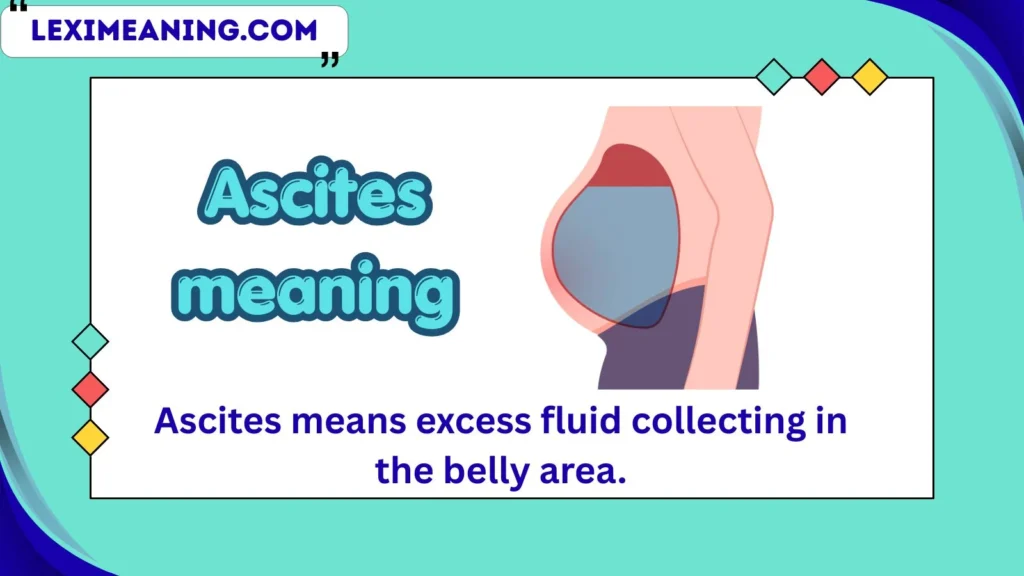
The ascites meaning refers to the abnormal buildup of fluid in the abdominal cavity, the space between the organs and the inner lining of the abdomen.
In simple terms:
Ascites means excess fluid collecting in the belly area.
This fluid accumulation causes visible swelling of the abdomen and can lead to discomfort, breathing difficulty, or digestive issues depending on severity.
Why Ascites Happens
Ascites develops when normal fluid balance in the body is disrupted. This often happens because pressure inside blood vessels increases or because the body cannot properly regulate fluids.
The most common underlying reason is liver disease, but ascites can occur for other medical reasons as well.
Common Causes Associated With Ascites
Ascites is usually a symptom rather than a disease itself. It often signals another underlying condition.
Common causes include:
- Chronic liver conditions
- Cirrhosis
- Portal hypertension
- Heart-related conditions
- Certain cancers
- Kidney problems
- Infections
Among these, liver-related issues account for the majority of cases.
How Ascites Affects the Body
When fluid accumulates in the abdomen, it can affect nearby organs and overall comfort.
People with ascites may experience:
- Abdominal swelling
- A feeling of fullness or pressure
- Shortness of breath
- Reduced appetite
- Weight gain unrelated to eating
The symptoms often develop gradually but can worsen over time.
What Ascites Looks Like in Everyday Life
Ascites is often noticeable visually. The abdomen may appear:
- Distended
- Tight or stretched
- Shiny in severe cases
Clothing may feel tighter around the waist, and lying flat can become uncomfortable.
How Doctors Identify Ascites
Medical professionals usually diagnose ascites through:
- Physical examination
- Imaging tests such as ultrasound
- Laboratory analysis of abdominal fluid
Doctors may remove a small amount of fluid to determine the cause and guide treatment decisions.
Ascites in Medical Conversations
In everyday medical discussions, ascites is often mentioned alongside the condition causing it.
Examples include:
- “The patient developed ascites due to liver damage.”
- “Treatment focuses on managing fluid buildup.”
Understanding the ascites meaning helps patients follow these conversations more confidently.
Is Ascites Dangerous?
Ascites itself is not a disease, but it can signal serious underlying health issues. If left untreated, complications may occur.
Possible risks include:
- Infection
- Breathing difficulties
- Reduced mobility
- Discomfort affecting daily life
Early recognition and management can improve outcomes.
Common Misunderstandings About Ascites
Mistake #1: Thinking Ascites Is Just Weight Gain
Ascites-related swelling is fluid buildup, not fat.
Mistake #2: Assuming It Only Happens With Alcohol Use
While alcohol-related liver disease is common, ascites can occur without alcohol involvement.
Mistake #3: Believing Ascites Is a Disease on Its Own
Ascites is a symptom that reflects another medical condition.
Ascites vs General Abdominal Bloating
It’s important to distinguish ascites from everyday bloating.
- Ascites involves fluid accumulation
- Bloating is usually related to digestion or gas
Ascites tends to persist and worsen, while bloating is often temporary.
How Ascites Is Managed
Management focuses on addressing the underlying cause and controlling fluid buildup.
Common approaches include:
- Dietary changes
- Medications that reduce fluid retention
- Procedures to remove excess fluid
- Treating the root medical condition
Treatment plans vary depending on severity and cause.
Living With Ascites
People living with ascites often need ongoing medical monitoring.
Lifestyle adjustments may involve:
- Monitoring fluid intake
- Following medical guidance
- Regular checkups
With proper care, symptoms can often be managed effectively.
Why Ascites Awareness Matters
Awareness around chronic conditions and early symptom recognition is increasing. Understanding ascites helps individuals:
- Seek medical advice sooner
- Ask informed questions
- Participate actively in care decisions
Health education plays a key role in better outcomes.
How to Use the Word Ascites Correctly
Ascites is typically used in medical or health-related contexts.
Correct usage example:
“The scan showed fluid buildup consistent with ascites.”
Incorrect usage example:
“I feel bloated today, must be ascites.” (Too casual and inaccurate)
Using the term correctly helps avoid confusion and unnecessary concern.
Ascites in Broader Health Discussions
Ascites often appears in discussions about:
- Liver health
- Chronic illness management
- Long-term medical care
Its presence usually prompts further investigation rather than being treated in isolation.
Emotional Impact of an Ascites Diagnosis
Beyond physical symptoms, ascites can affect emotional well-being.
People may feel:
- Anxious about health outcomes
- Frustrated by physical discomfort
- Concerned about lifestyle changes
Clear communication and support are important parts of care.
Conclusion:
The ascites meaning refers to the abnormal buildup of fluid in the abdominal cavity, most often linked to underlying medical conditions such as liver disease. While ascites itself is a symptom, it provides important clues about a person’s health and should never be ignored.
Understanding medical terms like ascites empowers individuals to engage more confidently in healthcare conversations. Knowledge reduces fear, supports early action, and helps people navigate complex health information with clarity.
🩺 Your turn:
Have you ever encountered a medical term that felt confusing at first? Share your experience and what helped you understand it better.

I’m Daniel Brookes, the creator of LexiMeaning.com, where I make words, phrases, and their meanings simple and easy to understand. I’m passionate about clear language and helping readers discover the meaning, usage, and context behind everyday words. Through LexiMeaning.com, I aim to make learning new words simple, useful, and enjoyable.