If you’ve ever looked at a birth chart and felt overwhelmed by symbols, lines, and numbered sections, you’re not alone. Many people understand zodiac signs and planets but get stuck when it comes to houses.
Understanding astrology houses meaning is the key to turning astrology from abstract theory into something personal and practical.
In 2026, astrology is less about vague predictions and more about self-awareness, life patterns, and intentional growth. The twelve houses explain where life events happen, not just who you are or what energy is present.
This article breaks down astrology houses in clear, human language so you can finally understand what they represent and why they matter.
What Are Astrology Houses?
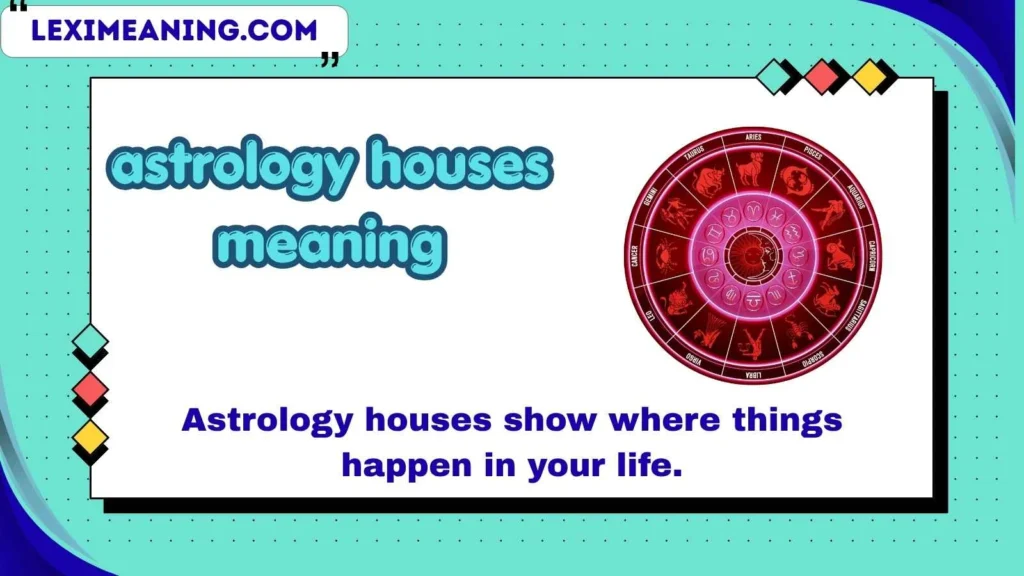
The astrology houses meaning refers to how the sky is divided into twelve life areas, each representing a different part of human experience. While planets describe energy and zodiac signs describe style, houses describe life focus and direction.
In simple terms:
Astrology houses show where things happen in your life.
Each house governs themes such as:
- Identity
- Relationships
- Career
- Home
- Money
- Purpose
Together, the twelve houses form a complete map of life experiences.
Why Astrology Houses Matter So Much
Without houses, astrology lacks real-world context.
Houses help answer questions like:
- Where does this energy show up?
- Which area of life is most affected?
- Why do two people with the same sign live very different lives?
In 2025, astrology readers emphasize houses because they make charts specific rather than generic.
How Astrology Houses Work With Planets and Signs
To fully understand astrology houses meaning, it helps to see how everything connects.
- Planets show what energy is active
- Signs show how that energy expresses itself
- Houses show where it plays out
For example, the same planet in the same sign can feel completely different depending on the house it’s in.
Overview of the 12 Astrology Houses and Their Meanings
Each house represents a core life theme. Below is a clear, practical overview.
First House – Identity and Self
This house relates to:
- Personal identity
- Physical presence
- First impressions
- How you approach life
It’s strongly connected to self-image and confidence.
Second House – Money and Values
This house focuses on:
- Finances
- Personal values
- Security
- Self-worth
It reflects how you earn, spend, and value yourself.
Third House – Communication and Learning
This house governs:
- Communication style
- Thinking patterns
- Learning
- Siblings and local environment
It shapes how you express ideas and process information.
Fourth House – Home and Roots
This house represents:
- Home life
- Family
- Emotional foundation
- Childhood influences
It reveals where you seek comfort and belonging.
Fifth House – Creativity and Joy
This house is associated with:
- Creativity
- Romance
- Pleasure
- Self-expression
It reflects what brings joy and passion into your life.
Sixth House – Work and Daily Life
This house governs:
- Daily routines
- Work habits
- Health awareness
- Responsibility
It shows how you manage structure and service.
Seventh House – Relationships
This house focuses on:
- Partnerships
- Commitment
- One-on-one relationships
- Cooperation
It highlights how you relate to others and seek balance.
Eighth House – Transformation
This house deals with:
- Deep emotional change
- Shared resources
- Trust
- Psychological depth
It’s associated with transformation and inner power.
Ninth House – Beliefs and Expansion
This house represents:
- Higher learning
- Philosophy
- Travel
- Life perspective
It reflects how you search for meaning and truth.
Tenth House – Career and Public Life
This house governs:
- Career path
- Reputation
- Public image
- Long-term goals
It shows how you’re seen and what you strive to achieve.
Eleventh House – Community and Vision
This house focuses on:
- Friendships
- Social groups
- Dreams for the future
- Collective ideals
It reflects how you connect to the bigger picture.
Twelfth House – Inner World and Closure
This house represents:
- Inner reflection
- Subconscious patterns
- Healing
- Letting go
It’s associated with spiritual growth and endings.
Why the Houses Are Always Interpreted Together
No house exists in isolation.
Life themes overlap:
- Career affects home
- Relationships affect identity
- Inner healing affects outward success
Understanding astrology houses meaning means looking at patterns across the entire chart, not just one area.
Empty Houses: What They Really Mean
Many people worry when a house has no planets.
An empty house does not mean:
- That area is unimportant
- Nothing happens there
It simply means that area may feel less emphasized or dramatic. Transits and timing still activate empty houses throughout life.
How Astrology Houses Are Used in Readings
Astrologers use houses to:
- Identify life focus areas
- Time events and transitions
- Understand recurring themes
For example:
- Career questions focus on the tenth house
- Relationship questions focus on the seventh house
- Emotional healing questions involve the fourth and twelfth houses
This structure makes astrology practical rather than abstract.
Astrology Houses in Personal Growth
In modern astrology, houses are often used for self-development.
They help people:
- Identify strengths and challenges
- Understand life patterns
- Work intentionally with change
In 2026, many people use house themes as reflection tools rather than predictions.
Common Misunderstandings About Astrology Houses
1: Thinking Houses Equal Zodiac Signs
While they’re linked symbolically, houses and signs are different systems.
2: Assuming One House Defines Everything
Your life story unfolds across all twelve houses.
3: Believing Houses Predict Fate
Houses describe areas of experience—not fixed outcomes.
Why Astrology Houses Feel So Personal
People often feel strongly connected to certain houses because:
- They reflect lived experience
- They mirror emotional patterns
- They explain repeating themes
That personal resonance is why houses are central to meaningful astrology.
Astrology Houses and Timing
Houses are especially important in:
- Transits
- Progressions
- Yearly forecasts
When planets move through different houses, life focus shifts. This explains why certain years emphasize relationships, while others focus on career or healing.
Why Astrology Houses Still Matter in 2026
In 2026, astrology is used less for fortune-telling and more for insight.
Astrology houses remain essential because they:
- Ground astrology in real life
- Support self-awareness
- Encourage intentional decision-making
They offer structure without removing free will.
How to Start Understanding Your Own Houses
To explore your houses:
- Look at a birth chart
- Identify which signs rule each house
- Notice which areas feel most active
You don’t need to memorize everything—start with the houses that feel most relevant to your current life stage.
Astrology Houses as a Life Map
Think of the houses as a map rather than a rulebook.
They don’t tell you what must happen—they show:
- Where attention flows
- Where growth occurs
- Where lessons repeat
This perspective makes astrology empowering rather than limiting.
Conclusion:
The astrology houses meaning reveals how life is divided into twelve interconnected areas, each representing a different aspect of human experience.
While planets and signs describe energy and personality, houses show where that energy plays out in real life.
In 2026, astrology houses remain a cornerstone of meaningful chart interpretation. They help explain patterns, guide reflection, and bring clarity to complex life experiences—without removing choice or agency.
✨ Your turn:
Which life area do you feel most focused on right now—career, relationships, or inner growth? Share your thoughts and let astrology spark reflection.

I’m Daniel Brookes, the creator of LexiMeaning.com, where I make words, phrases, and their meanings simple and easy to understand. I’m passionate about clear language and helping readers discover the meaning, usage, and context behind everyday words. Through LexiMeaning.com, I aim to make learning new words simple, useful, and enjoyable.