
You may have seen images of clustered holes or repeating patterns that instantly made your skin crawl even if you couldn’t explain why.
That reaction is commonly linked to trypophobia. Understanding the trypophobia meaning helps explain this intense discomfort, why it happens to some people, and how it shows up in everyday life and online culture.
Trypophobia is widely discussed on social media, in psychology conversations, and in pop culture.
This article explains what trypophobia means in clear, non-technical language, explores common reactions, and separates myths from facts without sensationalism.
What Is the Meaning of Trypophobia?
The trypophobia meaning refers to a strong feeling of discomfort, disgust, or anxiety triggered by clusters of small holes, bumps, or repetitive patterns. These patterns often appear in nature, everyday objects, or digitally altered images.
In simple terms:
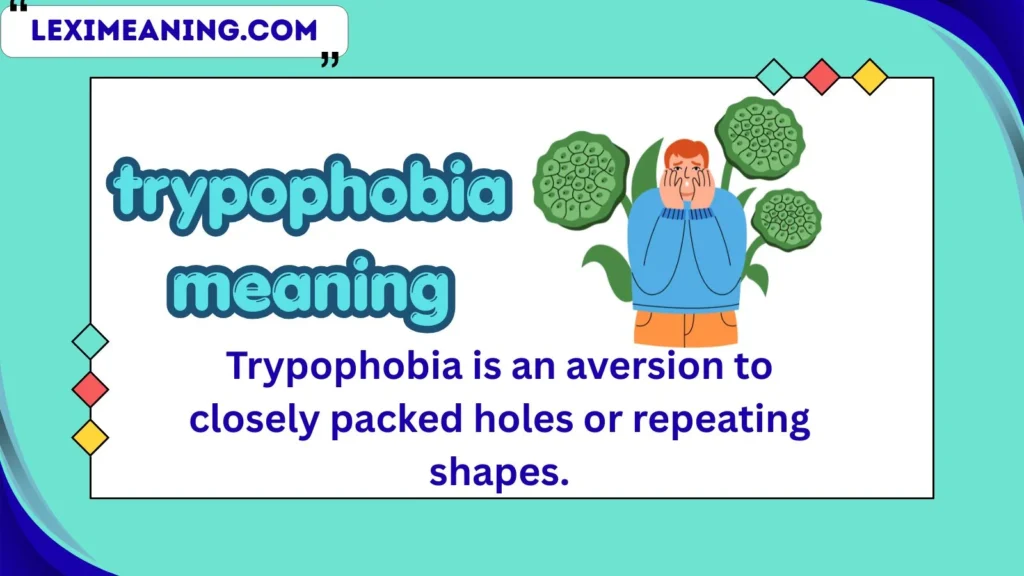
Trypophobia is an aversion to closely packed holes or repeating shapes.
Although commonly referred to as a phobia, it is not officially classified as a mental disorder in diagnostic manuals. However, the reaction people experience is very real.
Where the Term Trypophobia Comes From
The word trypophobia comes from:
- Greek trypa meaning “hole”
- phobia meaning “fear or aversion”
Despite the name, most people don’t experience fear in the traditional sense. The reaction is more often described as disgust, unease, or skin-crawling discomfort.
Common Triggers Associated With Trypophobia
Certain visual patterns are more likely to trigger trypophobic reactions.
Common examples include:
- Honeycombs
- Lotus seed pods
- Sponge textures
- Bubble clusters
- Close-up images of pores or skin patterns
These triggers don’t need to be real—digitally edited or artificial images can cause the same reaction.
Typical Reactions People Experience
People who react to trypophobic patterns may experience physical or emotional responses.
Common reactions include:
- Nausea
- Goosebumps
- Itching sensations
- Anxiety
- Feeling unsettled or repulsed
The intensity varies widely. Some people feel mild discomfort, while others have a strong visceral reaction.
Why Trypophobia Happens
Researchers suggest that trypophobia may be linked to evolutionary survival instincts.
One theory is that:
- Certain clustered patterns resemble poisonous animals or skin diseases
- The brain interprets these visuals as potential danger
- The discomfort acts as a protective response
This means trypophobia may be less about fear and more about instinctive avoidance.
Is Trypophobia a Real Phobia?
While the reaction is real, trypophobia is not officially recognized as a clinical phobia. Instead, it’s often described as:
- A visual sensitivity
- A pattern-based aversion
- A disgust response rather than fear
This distinction helps explain why people can react strongly without having an anxiety disorder.
Trypophobia in Everyday Life
Many people encounter trypophobic triggers unexpectedly.
Examples include:
- Food textures
- Natural objects
- Bathroom tiles or sponges
- Certain design patterns
Because these patterns are common, people may not realize they’re sensitive until a reaction occurs.
Trypophobia in Online Culture
The rise of social media has made trypophobia more visible.
You’ll often see:
- “Trigger warning” labels
- Reaction videos
- Meme discussions
- Before-and-after edits
Online platforms have played a major role in popularizing the term and helping people identify their reactions.
Common Misunderstandings About Trypophobia
Mistake #1: Thinking It’s Rare
Many people experience some level of discomfort, even if they don’t know the term.
Mistake #2: Assuming It’s Just Fear
Most reactions are rooted in disgust, not panic.
Mistake #3: Believing It’s Imagined
The physical response is real, even if the trigger is harmless.
Understanding these points helps normalize the experience.
Trypophobia vs Other Sensitivities
Trypophobia is different from:
- General anxiety
- Specific phobias like fear of heights
- Sensory processing disorders
It’s highly specific to visual patterns, which makes it unique.
How People Cope With Trypophobic Reactions
People who experience discomfort often manage it by:
- Avoiding known triggers
- Scrolling away from certain images
- Using filters or content warnings
For most people, simple avoidance is enough and doesn’t interfere with daily life.
Is Trypophobia Linked to Mental Health Conditions?
There’s no clear evidence that trypophobia alone indicates a mental health disorder. However, people with heightened anxiety or sensory sensitivity may experience stronger reactions.
It’s generally viewed as a normal variation in human perception, not a diagnosis.
Why Trypophobia Is Talked About More
People are more open about:
- Sensory discomfort
- Mental well-being
- Personal boundaries
The internet has made it easier to name experiences that once went unexplained. Trypophobia is one of many examples of how language helps people understand themselves better.
How to Use the Word Trypophobia Correctly
To use the term accurately:
- Refer to reactions to clustered patterns
- Avoid labeling it as a disorder
- Use it descriptively rather than diagnostically
Correct example:
“That image triggered my trypophobia.”
Incorrect example:
“Trypophobia is the fear of everything with holes.” (Too broad)
Why the Trypophobia Meaning Matters
Understanding the trypophobia meaning helps people:
- Feel less alone in their reactions
- Communicate discomfort clearly
- Avoid unnecessary exposure
It also promotes empathy, especially in digital spaces where visual content is constant.
Trypophobia as a Sensory Experience, Not a Weakness
Experiencing discomfort from certain visuals doesn’t mean something is wrong. It simply reflects how differently human brains process patterns and stimuli.
Acknowledging this helps reduce stigma and encourages respectful content sharing.
Conclusion:
The trypophobia meaning refers to an aversion to clustered or repetitive visual patterns that can trigger discomfort, disgust, or anxiety. While not a clinical phobia, it’s a real and common sensory response experienced by many people.
Increased awareness has helped normalize trypophobia as part of the broader conversation about perception and mental well-being. Understanding it allows for better communication, self-awareness, and empathy both online and offline.
🧠 Your turn:
Have you ever reacted strongly to certain patterns or images? Share your experience and join the conversation.

I’m Daniel Brookes, the creator of LexiMeaning.com, where I make words, phrases, and their meanings simple and easy to understand. I’m passionate about clear language and helping readers discover the meaning, usage, and context behind everyday words. Through LexiMeaning.com, I aim to make learning new words simple, useful, and enjoyable.