
You’ve probably heard the word rind when talking about fruit, cheese, or even cooking but its meaning can change depending on context.
Understanding the rind meaning helps you follow recipes more easily, describe food accurately, and recognize how the word is used beyond the kitchen.
As food culture, nutrition awareness, and everyday language continue to evolve, words like rind remain common in conversations about produce, cooking, and natural textures.
This article explains what rind means in simple terms, how it’s used in different situations, and why the word still matters today.
What Is the Meaning of Rind?
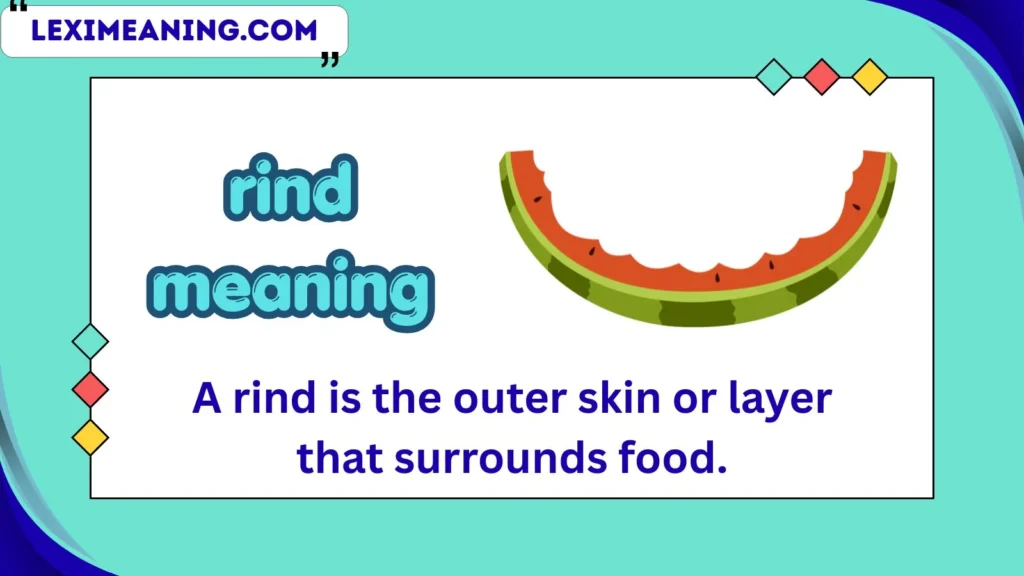
The rind meaning refers to the tough or thick outer layer of certain foods, especially fruits, vegetables, and cheeses. It acts as a natural covering that protects what’s inside.
In simple terms:
A rind is the outer skin or layer that surrounds food.
Rinds are usually firmer than the edible interior and may or may not be eaten, depending on the food.
Where the Word Rind Comes From
The word rind has roots in older language related to bark or outer coverings. Historically, it was used to describe the outer layer of plants and later became associated with food.
This origin explains why rind often suggests thickness, toughness, or protection rather than softness.
Rind in Fruits and Vegetables
One of the most common uses of the word rind is in reference to fruits.
Examples include:
- Watermelon rind
- Orange rind
- Lemon rind
In many fruits, the rind:
- Protects the flesh
- Helps retain moisture
- Can be used in cooking or flavoring
Some rinds are edible when prepared properly, while others are usually discarded.
Rind in Cheese and Dairy Products
Rind is also commonly used when talking about cheese.
In cheese-making, the rind:
- Forms on the outside during aging
- Protects the cheese as it matures
- Contributes to flavor and texture
Some cheese rinds are edible, while others are waxed or too hard to eat. Whether a rind is eaten often depends on the type of cheese and personal preference.
Rind in Cooking and Food Preparation
In cooking, rind is often mentioned in recipes and instructions.
You might see directions like:
- “Remove the rind before serving”
- “Grate the rind for extra flavor”
- “Leave the rind on for structure”
In many cases, citrus rind is used to enhance aroma and taste, especially in baking and desserts.
Edible vs Inedible Rinds
Not all rinds are meant to be eaten.
Edible rinds may include:
- Citrus rind when zested
- Certain cheese rinds
- Pickled or cooked fruit rinds
Inedible rinds often include:
- Thick melon rinds
- Hard cheese coatings
- Bitter or tough outer layers
Knowing the difference helps avoid waste and improves food safety.
Rind Meaning in Non-Food Contexts
While most people associate rind with food, the word can also appear in other contexts.
It may be used to describe:
- The outer layer of a plant
- Bark-like textures
- Protective outer surfaces
In these cases, rind still carries the idea of an outer covering that shields what’s inside.
Examples of Rind Used in Sentences
Food Example
“She used the lemon rind to add flavor to the cake.”
Cooking Example
“The recipe calls for removing the rind before baking.”
Descriptive Example
“The fruit had a thick rind that protected the soft interior.”
These examples all reflect the same core meaning.
Common Misunderstandings About Rind
Mistake #1: Thinking Rind Always Means Skin
Rind is usually thicker and tougher than simple skin.
Mistake #2: Assuming All Rinds Are Inedible
Some rinds are edible and even desirable, depending on the food.
Mistake #3: Confusing Rind With Peel
A peel is something removed, while a rind refers to the layer itself.
Understanding these distinctions helps use the word more accurately.
Rind vs Peel vs Skin
These words are often used interchangeably, but they’re not identical.
- Rind – thick, protective outer layer
- Peel – the act or result of removing the outer layer
- Skin – thinner, softer outer covering
Rind suggests durability and structure more than delicacy.
Why Rind Is Important in Food Culture
Rinds play a key role in:
- Food preservation
- Flavor development
- Texture and appearance
In cheese-making and fermentation, the rind can even influence how food ages and tastes over time.
Rind in Modern Food Trends
Reducing food waste is a major focus. As a result, people are finding creative ways to use rinds instead of discarding them.
Popular approaches include:
- Candying citrus rind
- Pickling fruit rinds
- Using rinds for zest and flavoring
This renewed interest has made the word rind more relevant in sustainability discussions.
How to Use the Word Rind Correctly
To use rind properly:
- Refer to thick outer layers
- Use it mainly for food or plant coverings
- Avoid using it for thin or soft skins
Correct example:
“The orange rind was used to flavor the syrup.”
Incorrect example:
“The grape rind was tough.” (Grapes don’t have rinds)
Why the Rind Meaning Still Matters
The rind meaning matters because it helps describe food accurately and clearly. Whether reading recipes, talking about produce, or learning about food preparation, understanding what a rind is prevents confusion and improves communication.
As food culture continues to emphasize knowledge, sustainability, and creativity in 2025, knowing terms like rind adds practical value to everyday life.
Conclusion
The rind meaning refers to the tough, protective outer layer of certain foods, especially fruits and cheeses. While often discarded, rinds can serve important roles in flavor, structure, and preservation—and are sometimes edible with the right preparation.
The word rind remains relevant in cooking, food education, and sustainability conversations. Understanding it helps you make better use of ingredients and communicate more clearly about food.
🍊 Your turn:
Do you usually eat or discard rinds? Share how you use them or why you avoid them.

I’m Daniel Brookes, the creator of LexiMeaning.com, where I make words, phrases, and their meanings simple and easy to understand. I’m passionate about clear language and helping readers discover the meaning, usage, and context behind everyday words. Through LexiMeaning.com, I aim to make learning new words simple, useful, and enjoyable.