
If you’ve ever noticed your cat wagging or flicking its tail, you might assume it means the same thing as it does in dogs happiness or excitement. But cats communicate very differently.
Understanding the cat wagging tail meaning is essential for reading your cat’s mood, avoiding misunderstandings, and building a stronger bond with your feline companion.
Pet owners are more attentive than ever to animal behavior and emotional well-being.
A cat’s tail is one of its most expressive tools, and learning what different tail movements mean can help you respond appropriately, whether your cat wants space, playtime, or calm interaction.
What Does It Mean When a Cat Wags Its Tail?
The cat wagging tail meaning usually signals emotional stimulation, not necessarily happiness. Unlike dogs, cats often wag or flick their tails when they’re feeling conflicted, overstimulated, focused, or mildly irritated.
In simple terms:
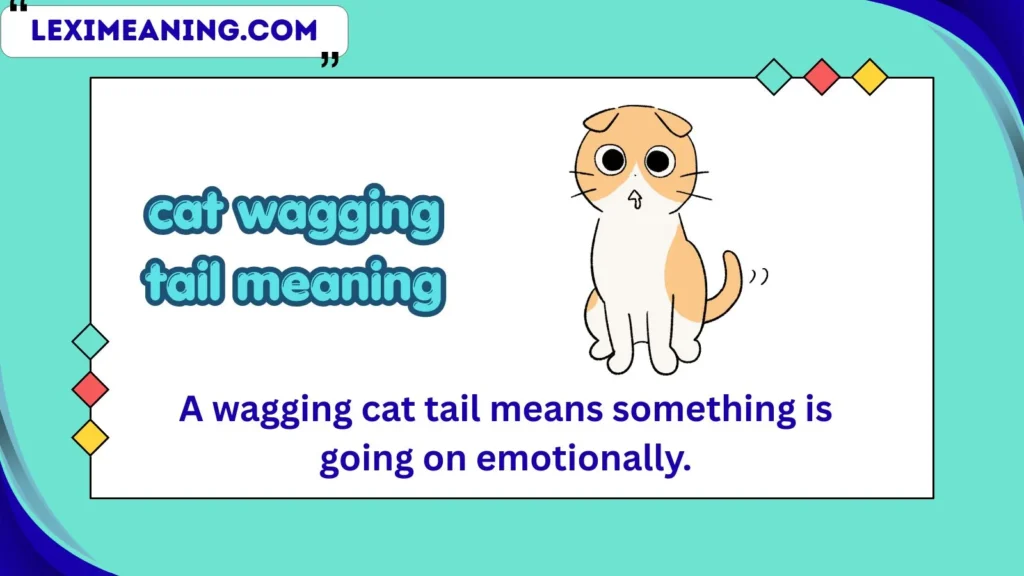
A wagging cat tail means something is going on emotionally.
It can reflect:
- Alertness
- Annoyance
- Excitement mixed with tension
- Intense focus
Context matters more than the movement itself.
Why Cats Use Their Tails to Communicate
Cats rely heavily on body language because they are subtle communicators. Their tails help express feelings that aren’t always shown through vocal sounds.
A cat’s tail can communicate:
- Emotional state
- Comfort level
- Intentions
- Boundaries
By observing tail movement alongside ears, eyes, and posture, you get a clearer picture of how your cat feels.
Slow Tail Wagging: What It Usually Means
When a cat slowly sways its tail from side to side, it often indicates:
- Focus or concentration
- Mild annoyance
- Internal conflict
You may notice this when:
- Your cat is watching birds
- You’re petting them and they’re becoming overstimulated
- They’re deciding whether to play or disengage
This is often a sign to pause interaction and observe.
Fast or Sharp Tail Flicking
Quick, sharp tail flicks usually signal irritation or overstimulation.
This behavior can mean:
- “That’s enough petting”
- “I’m getting annoyed”
- “Please stop what you’re doing”
If ignored, fast tail flicking may escalate into:
- Encouraging a bite or scratch
- Sudden withdrawal
- Hissing or swatting
Recognizing this early helps prevent negative interactions.
Tail Thumping on the Ground
When a cat thumps its tail against the floor, it often shows:
- Frustration
- Impatience
- Defensive emotion
This behavior is common during:
- Unwanted handling
- Confrontations with other animals
- Situations where the cat feels cornered
It’s a strong signal that the cat is uncomfortable.
Is a Wagging Tail Ever a Good Sign in Cats?
Yes but it’s different from dogs.
In some situations, tail movement can indicate:
- Playfulness
- Excitement
- Mental stimulation
For example:
During interactive play, a cat may wag its tail while stalking a toy.
Even then, the movement often reflects intense focus rather than pure joy.
Cat Tail Wagging During Petting
One of the most common moments owners notice tail wagging is during petting.
If your cat’s tail starts wagging while being stroked, it may mean:
- They enjoyed it at first
- Sensory overload is building
- They’re reaching their tolerance limit
Cats have sensitive nerve endings, and too much stimulation can quickly shift comfort into irritation.
How Cat Tail Language Differs From Dogs
Understanding the cat wagging tail meaning requires unlearning dog-based assumptions.
Key differences:
- Dogs wag tails to express happiness or friendliness
- Cats wag tails to express stimulation or emotional conflict
Assuming cat tail wagging means happiness can lead to misunderstandings and accidental scratches.
Other Tail Positions and Their Meanings
A cat’s tail position is just as important as movement.
Common tail signals include:
- Upright tail: confidence or friendly greeting
- Puffed-up tail: fear or aggression
- Tucked tail: anxiety or submission
Wagging is just one part of a broader communication system.
Reading Tail Movement With Other Body Signals
To fully understand what your cat is saying, observe:
- Ear position
- Eye dilation
- Body posture
For example:
- Wagging tail + flattened ears = irritation
- Wagging tail + focused eyes during play = excitement
Tail movement alone doesn’t tell the full story.
Why Cats Get Overstimulated Easily
Cats are sensitive creatures, both physically and emotionally.
Overstimulation can happen due to:
- Repetitive petting
- Loud noises
- Strong smells
- Too much attention
Tail wagging is often the first sign your cat is nearing its limit.
How to Respond When Your Cat Wags Its Tail
When you notice tail wagging:
- Pause interaction
- Give your cat space
- Let them reset
Respecting this signal builds trust and reduces stress.
Ignoring tail warnings can lead to defensive behavior.
Cat Tail Wagging in Multi-Cat Homes
In homes with multiple cats, tail wagging can signal:
- Tension
- Boundary-setting
- Uncertainty
Watching tail movement during interactions helps identify potential conflicts early.
Does Breed Affect Tail Communication?
While personality varies, tail communication is consistent across most cats.
However:
- Long-tailed cats may show more visible movement
- Short-tailed cats may rely more on posture and ears
The meaning behind the movement remains the same.
Common Misunderstandings About Cat Tail Wagging
Mistake #1: Assuming It Means Happiness
Unlike dogs, cats rarely wag tails to show joy.
Mistake #2: Ignoring Early Warning Signs
Tail flicking is often a polite warning before stronger reactions.
Mistake #3: Focusing Only on the Tail
Context and body language matter just as much.
Why Understanding Tail Signals Improves Your Relationship
Cats value respect and predictability.
Understanding tail signals:
- Reduces stress for your cat
- Prevents accidental scratches
- Builds mutual trust
Animal behavior awareness continues to emphasize communication over correction.
Cat Wagging Tail Meaning in Play vs Rest
During play:
- Tail wagging often signals focus and excitement
During rest:
- Tail wagging often signals irritation or discomfort
Knowing the difference helps you choose when to engage and when to step back.
Is Tail Wagging Ever a Medical Concern?
Occasionally, excessive or unusual tail movement may indicate:
- Pain
- Skin irritation
- Neurological discomfort
If tail behavior changes suddenly or seems abnormal, consulting a veterinarian is recommended.
Why Cat Tail Language Still Matters
As more people treat pets as family members, understanding nonverbal communication is essential.
Cat tail behavior remains one of the clearest windows into feline emotions, helping owners provide better care and emotional support.
Conclusion:
The cat wagging tail meaning is not about happiness it’s about emotional stimulation, focus, or irritation. A wagging or flicking tail is your cat’s way of communicating boundaries and feelings without using sound.
Being a responsible cat owner means learning to listen to these subtle signals. By respecting tail movements and responding appropriately, you create a calmer, safer, and more trusting relationship with your cat.
🐾 Your turn:
Have you noticed different tail movements in your cat? Share what you’ve observed and how you respond.

I’m Daniel Brookes, the creator of LexiMeaning.com, where I make words, phrases, and their meanings simple and easy to understand. I’m passionate about clear language and helping readers discover the meaning, usage, and context behind everyday words. Through LexiMeaning.com, I aim to make learning new words simple, useful, and enjoyable.